
Occupational Therapy
Get support to learn the skills and strategies that make everyday activities easier, so you can live with greater confidence and independence.
What is the Guide Dogs NSW/ACT Occupational Therapy Service?
Guide Dogs NSW/ACT’s Occupational Therapy for low vision or blindness is designed to support adults and school-aged children to participate fully in everyday activities around the home.
Our Occupational Therapists specialise in working with people with low vision or blindness to help them complete everyday activities independently, confidently and safely.
They can support you to achieve your goals by developing new skills, exploring alternative ways to do things, recommending changes to the home environment, and more.
What goals can Occupational Therapy for low vision or blindness help me achieve?
Our Guide Dogs Occupational Therapists can work with you to achieve goals related to:
- Meal preparation and cooking: Everything involved in preparing and cooking food, such as chopping ingredients, using appliances and checking expiration dates.
- Self-care: Daily activities that help you stay independent and active in daily life, such as putting on make-up, identifying toiletries or coordinating outfits.
- Maintaining your household: Everyday activities like cleaning, doing laundry and shopping.
- Leisure: Activities you do for relaxation and enjoyment, including listening to audiobooks and gardening.
- Home set-up: Exploring ways to maximise your safety at home, such as improving lighting or using smart home devices.

How will a Guide Dogs Occupational Therapist support me with daily living and independence?
Our Occupational Therapists are specialists in low vision or blindness and will support you by:
- Gathering information about your vision.
- Listening to how your low vision or blindness impacts your ability to complete daily activities.
- Observing how you currently complete everyday tasks.
- Finding out what is most important to you and the goals they can support you to achieve.
- Discussing and demonstrating equipment, such as liquid level indicators or talking clocks, that can make tasks easier.
- Assessing your environment and suggesting changes that may help you complete activities, such as improving lighting at home.
- Teaching skills and strategies that support you to complete tasks more easily or confidently.
- Connecting you with other blindness or low vision support services along the way.
Guide Dogs’ Occupational Therapists can meet you at home, in the community, over the phone or via video call.
Hear about how our services can provide support with everyday tasks from Guide Dogs NSW/ACT Occupational Therapist, Ashley:
Ashley had a Client whose goal was to increase his confidence with handling a knife and peeling vegetables, as well as improve his overall safety during meal prep.
On a recent visit to his home, her Client practised using a combination of cut-resistant gloves, an ergonomic peeler and a Kandocutter knife, designed to prevent injury from sharp blades and help make this everyday task safer.
By the end of the session, Ashley’s Client said he felt much safer and more confident preparing meals and is looking forward to further Occupational Therapy training sessions to continue building his skills, confidence and independence in the kitchen with the goal of preparing meals for himself each day.
What funding options are available for Occupational Therapy for blindness or low vision?
Occupational Therapists can support you to perform all kinds of practical everyday tasks.
Guide Dogs NSW/ACT is a registered NDIS provider and Aged Care provider. Many people can access Occupational Therapy through their NDIS plan or Support at Home Funding.
We understand that sometimes people who need low vision Occupational Therapy services may not be eligible to receive government funding.
If you have low vision or blindness and don’t have access to external funding, Guide Dogs NSW/ACT can still support you. Our Occupational Therapy vision specialists will work with you to understand your goals and develop a plan to achieve them, using funding provided by generous donations from the community.
Do you provide services for children with low vision or blindness?
- Early childhood occupational therapy services are available for children from six years of age.
- We believe the best outcomes for children come from working together. Our collaborative approach involves not just the child, but also key people in their life such as family members, carers, educators, and other professionals, who act as primary therapeutic supports to help achieve lasting outcomes.
- We begin by understanding how your child navigates daily life and the role their support network plays. From there, we work with you to create a plan with meaningful goals tailored to your child’s strengths and needs.
- Together with the child and their broader support network, we explore practical strategies that build independence, safety, and active participation in everyday life. Our goal is to support your child’s growth and development into adulthood.

Find more services.
Client Policies and Standards
Rights and responsibilities of our team and Clients who receive our services.
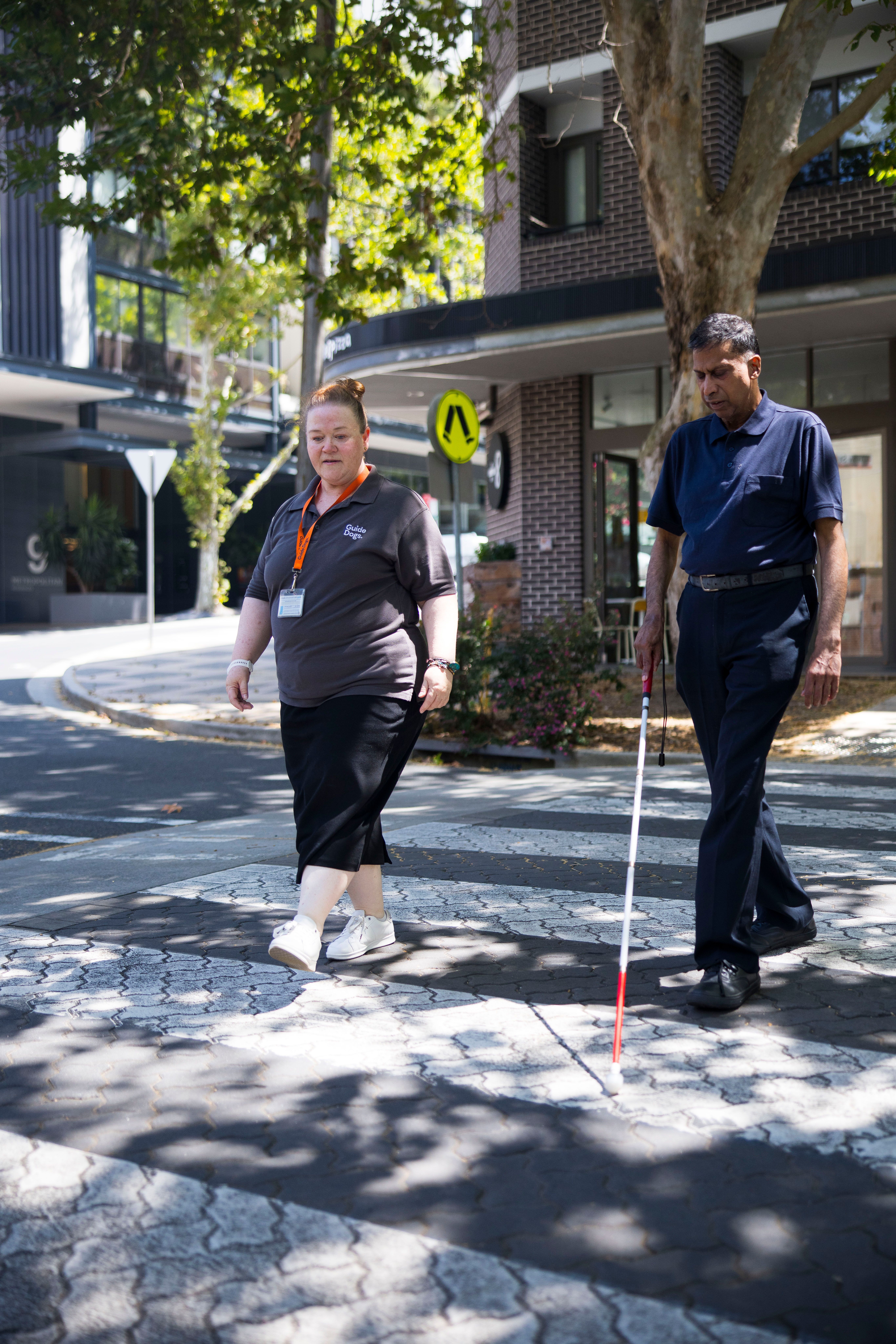.jpg?rect=0,2047,5464,4098&w=320&h=240&fit=min&auto=format&q=90)
Connections Service
Find out about social and recreational activities for people with blindness or low vision,
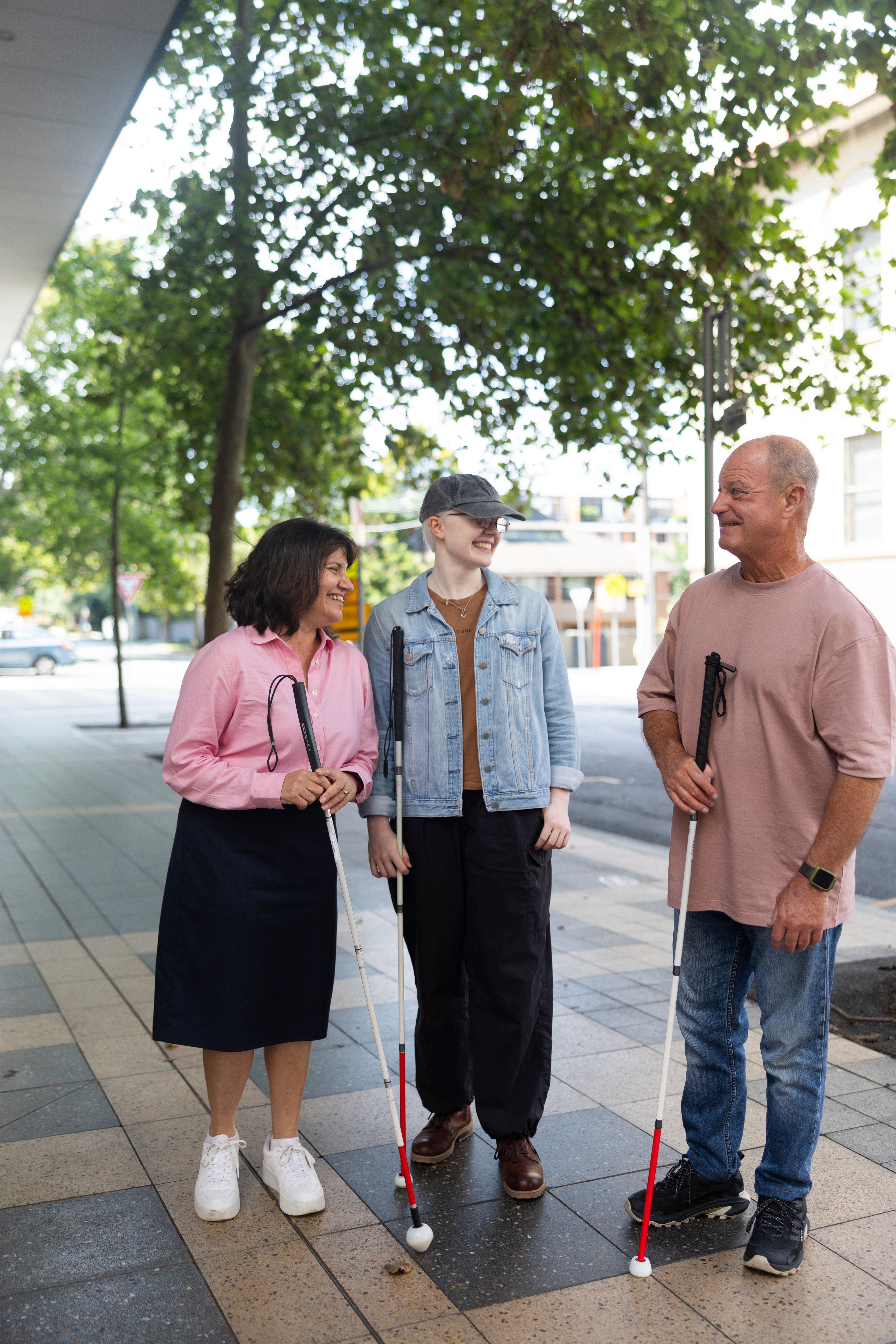.jpg?rect=0,1116,5464,5706&fp-x=0.5&fp-y=0.4845448985029469&w=320&h=240&fit=crop&crop=focalpoint&auto=format&q=90)
Orientation and Mobility for adults
Our Orientation and Mobility Service for adults can support you with everyday movement.
Guide Dog Mobility Services
Together, the Handler and Guide Dog form a special partnership, each playing a vital role in achieving the best mobility outcomes.
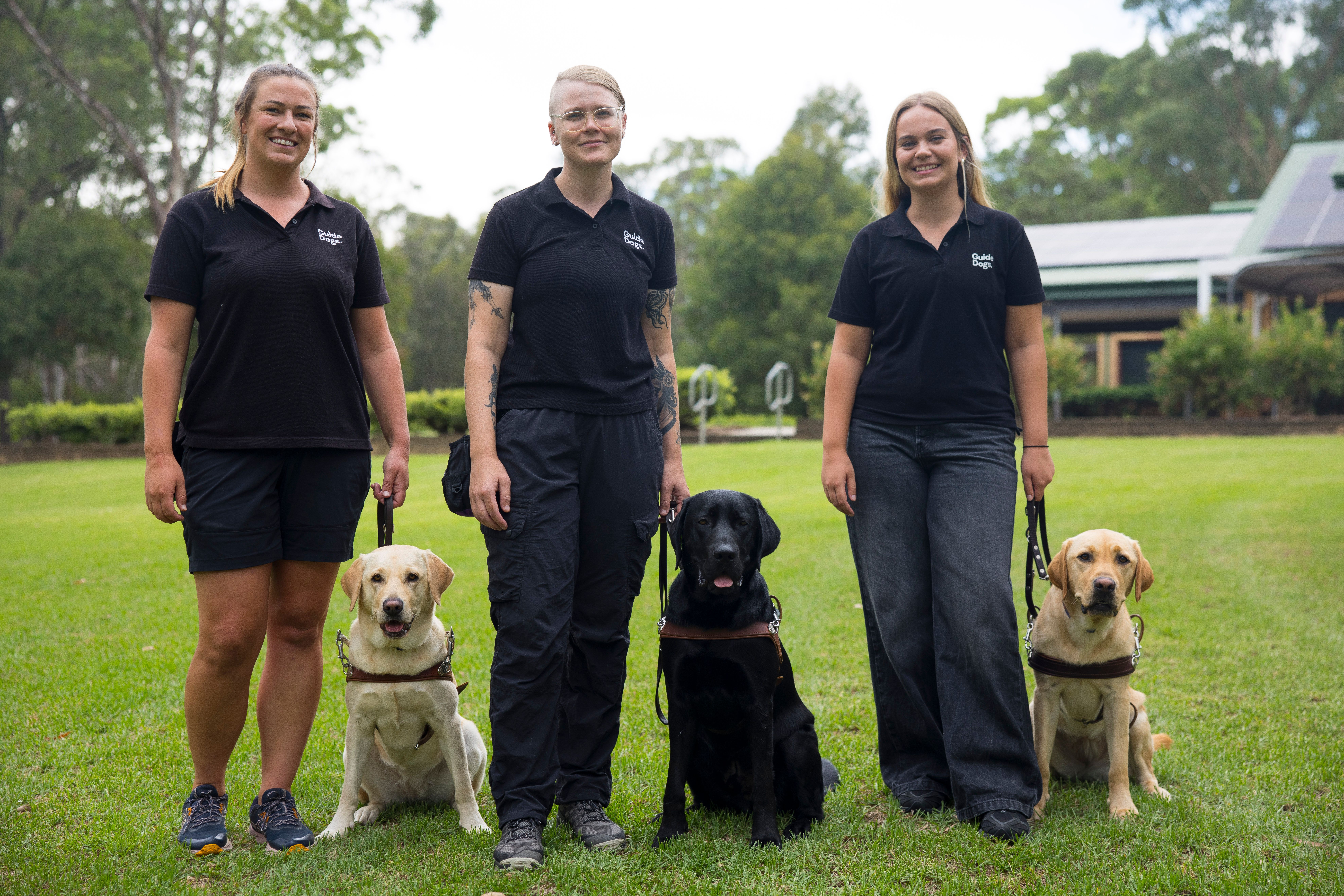.jpg?rect=438,0,7036,5277&w=320&h=240&fit=min&auto=format&q=90)
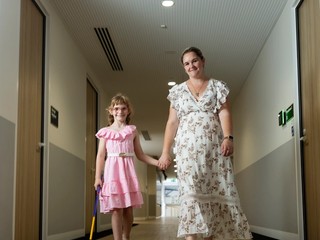
Orientation and Mobility for Children
Orientation and mobility services for children and how to apply.
.jpg?rect=0,2047,5464,4098&w=3200&h=2400&fit=min&auto=format&q=90)
.jpg?rect=0,1116,5464,5706&fp-x=0.5&fp-y=0.4845448985029469&w=3200&h=2400&fit=crop&crop=focalpoint&auto=format&q=90)

.jpg?rect=438,0,7036,5277&w=3200&h=2400&fit=min&auto=format&q=90)
