.jpg?rect=0,188,3600,2025&w=3200&h=1800&fit=min&auto=format&q=90)
Guide Dog Access and Etiquette
Where can a Guide Dog go?
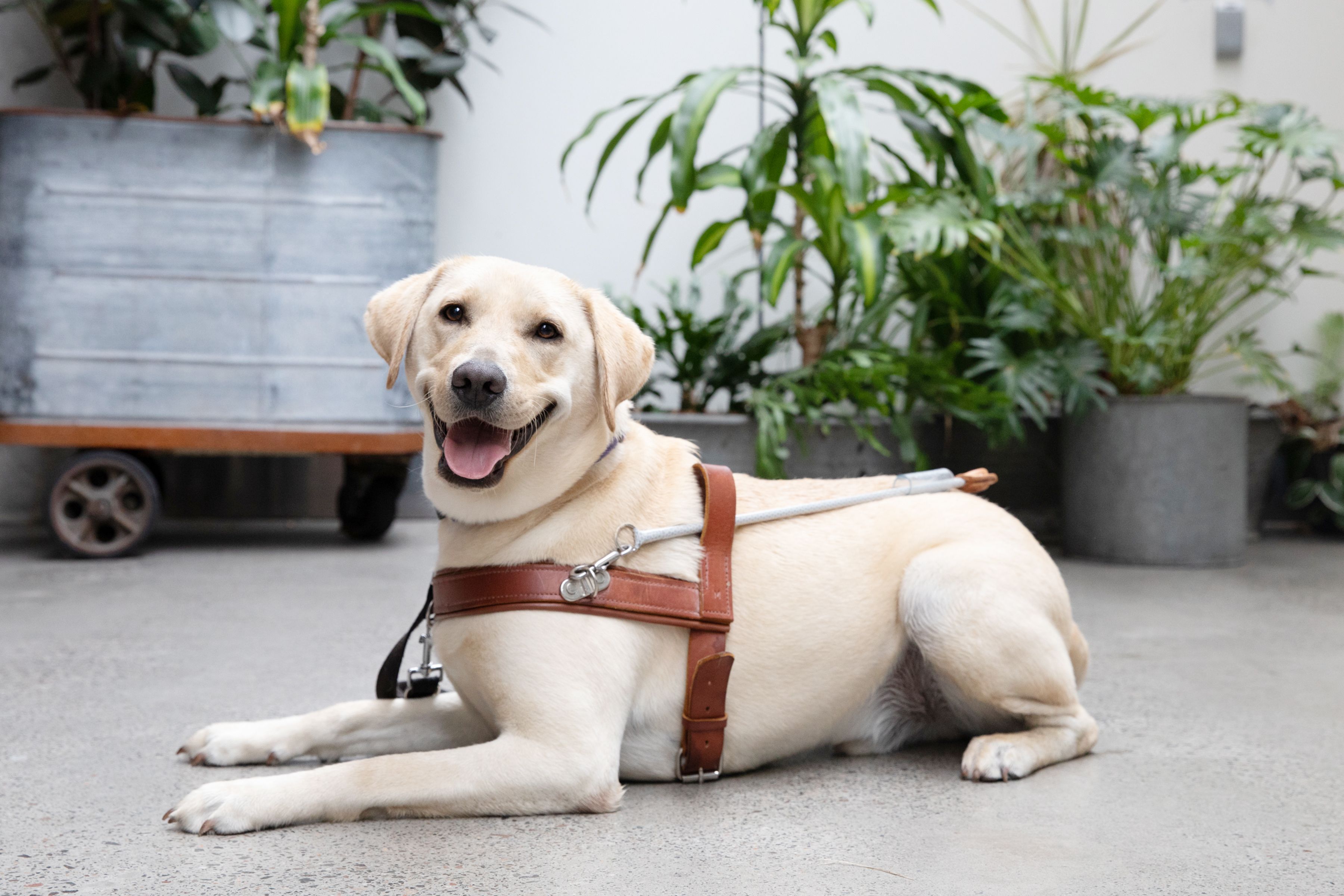
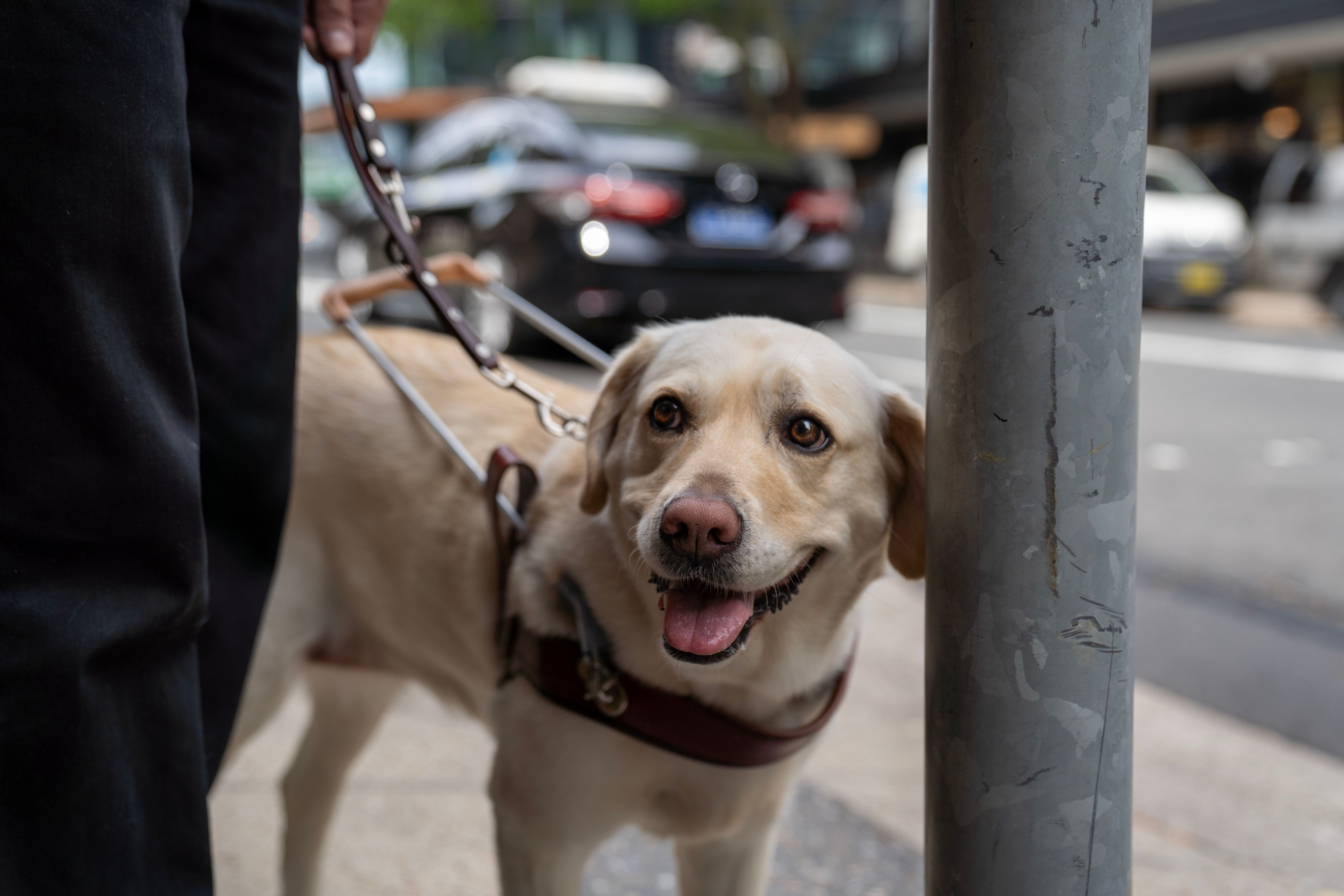
Guide Dogs are not pets. When a Guide Dog is in harness, it is working and assisting the person who is blind or has low vision to move around safely and independently.
Australian legislation gives a person with their Guide Dog the right to enter all public places. Guide Dogs can go almost everywhere their handler goes, including any:
- shop
- theatre
- event
- cafe, restaurant or pub
- hotel
- public transport
- taxis or rideshare vehicle
This applies whether the Guide Dog is actively working and wearing their harness or not. A person does not need to advise beforehand that they are bringing a Guide Dog.
What are the penalties for denying access to a Guide Dog in NSW and the ACT?
It is an offence to deny or charge a fee for the entry of a Guide Dog. It is not a reasonable excuse to deny access to a Guide Dog because of allergies, religious objections, or a generalized fear of animals.
Refusing entry to a Guide Dog handler can result in a fine, legal action or other consequences. NSW police officers can issue on the spot fines of $330 and penalty notices of up to $1,650 under the Companion Animals Act (1998). In the ACT, authorised officers can issue fines of up to $500 and penalty notices of up to $8,000 for an individual or up to $40,500 for a corporation under the Domestic Animals Act (2000).
Rideshare drivers can be permanently prevented from using their Driver App if they refuse entry to a Guide Dog.

How often are Guide Dogs refused access?
While most people and businesses do the right thing, Guide Dog handlers are often refused entry to a venue because they have a Guide Dog. This can make them feel frustrated, upset, angry, embarrassed or unsafe.
One third of Guide Dog handlers from across Australia told us in a 2022 survey that they had been illegally refused access because of their Guide Dog in the last year.
How to interact with a person and their Guide Dog.
It takes a lot of concentration for a person with low vision to work safely with their Guide Dog. Please don’t pat, feed or otherwise distract the Guide Dog when it is working.
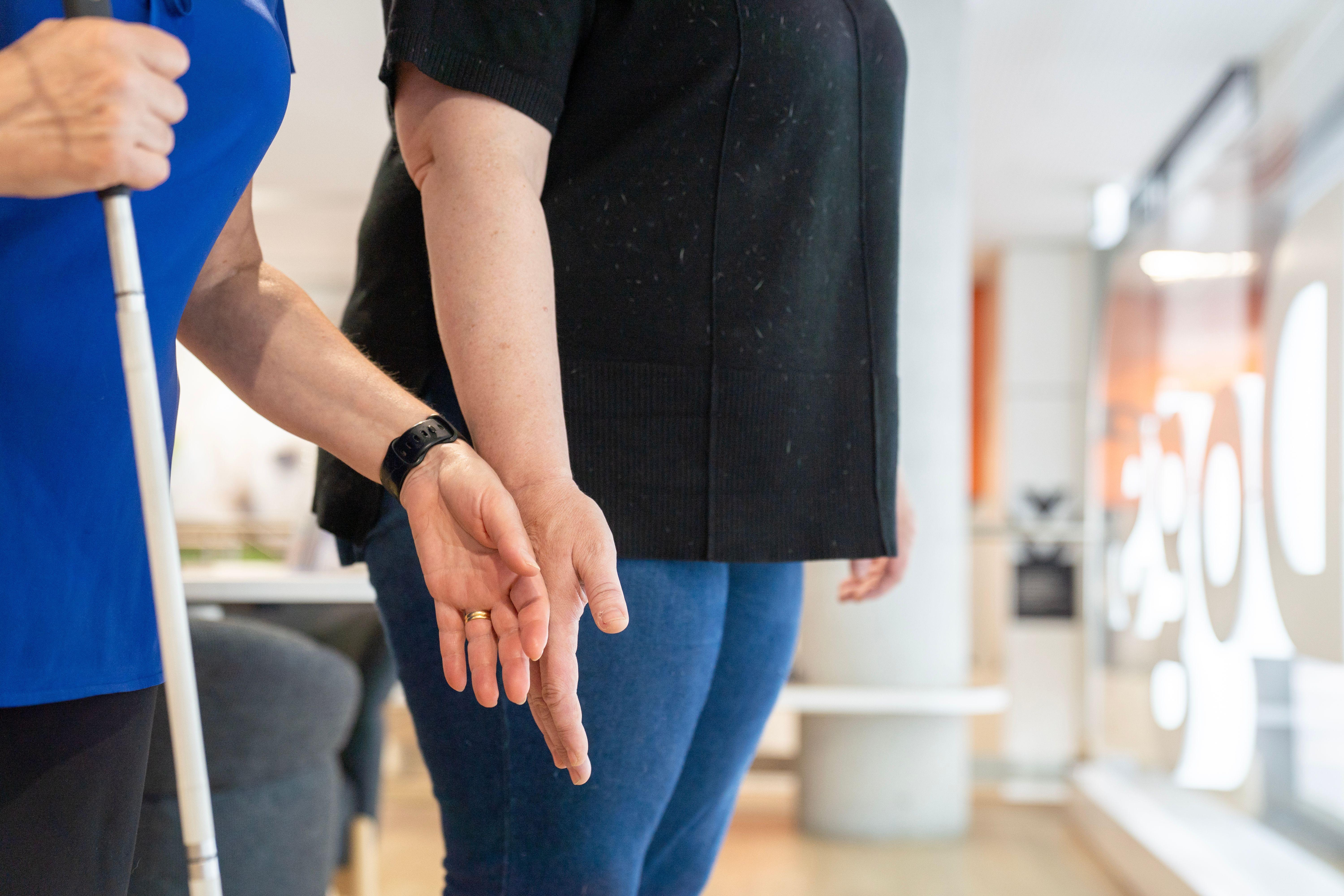
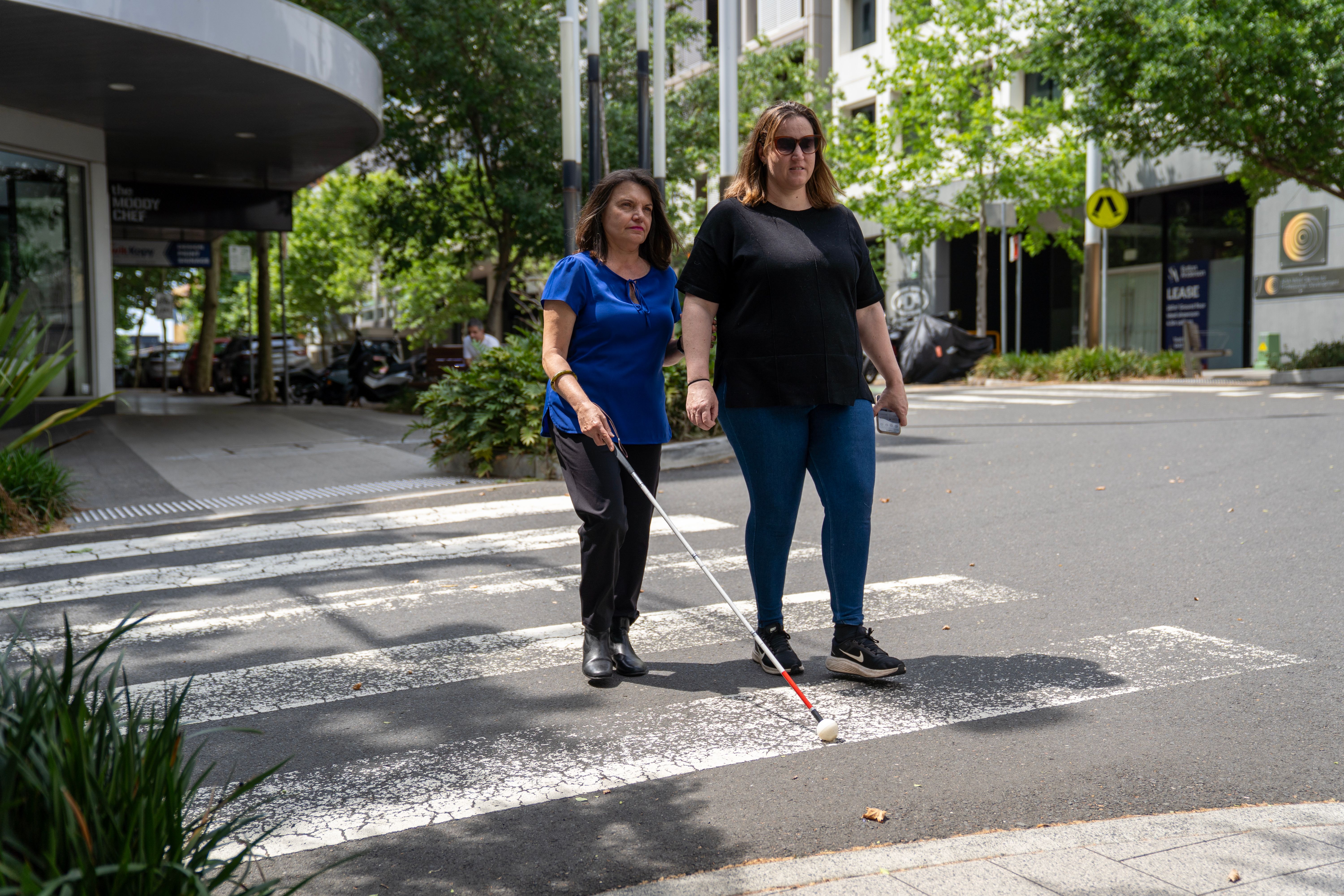
If you think a person with a Guide Dog needs assistance, just ask! People who use Guide Dogs have been trained in the most effective ways to control their dog’s behaviour, so please only provide assistance if it is requested.
Preparing for a Guide Dog on the premises
Whilst there are no specific requirements for a business to prepare for a Guide Dog on site, consider the following which will add to your warm and inclusive nature:
Introduce yourself and ask the Guide Dog Handler if they need assistance.
Ensure the Guide Dog Handler is seated comfortably where there is enough space for the Guide Dog to lie down, and not be in a thoroughfare or where people might trip over it or injure it. Guide Dogs are trained to tuck under the Handler’s seat or table if required.
You may want to offer a water bowl that the Guide Dog can use.

Resources for welcoming Guide Dogs
Relevant legislation
A person’s right to access all public places in Australia with their Guide Dog is found in the Disability Discrimination Act 1992 (Cth) (‘the DDA’). The DDA makes it unlawful to treat a person with a disability less favourably because they are accompanied by an assistance animal.
In each state, there are additional laws and regulations which expand on the DDA, giving a person the right to be accompanied by their Guide Dog. Examples in NSW and the ACT include:
NSW:
Anti-Discrimination Act 1977 (NSW)
Companion Animals Act 1998 No 87 (NSW)
Passenger Transport (General) Regulation 2017 (NSW)
ACT:
Domestic Animals Act 2000
Domestic Animals Regulation 2001
Animal Welfare Act
More information on additional legislation in each state is available on the Australian Government’s Disability Gateway.
Do you have a question?
Guide Dogs offers a Disability Inclusion Training service for businesses to learn practical skills and be inclusive of people with blindness and low vision in the community.
.jpg?rect=0,1,6000,3999&w=3200&h=2133&auto=format&q=90)


%20023.jpg?rect=334,0,5333,4000&w=3200&h=2400&fit=min&auto=format&q=90)

%20136.jpg?rect=334,0,5333,4000&w=3200&h=2400&fit=min&auto=format&q=90)